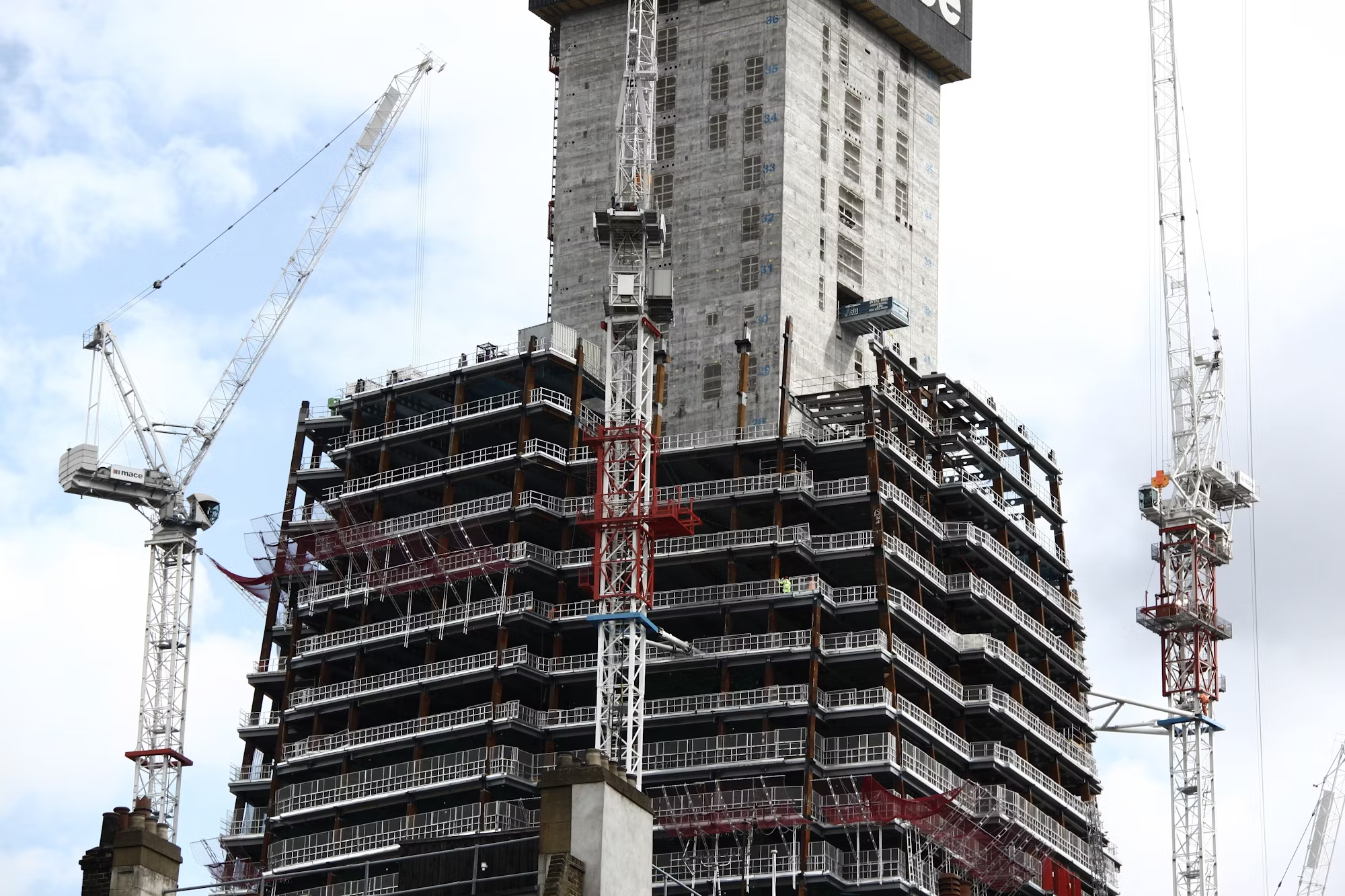
Skyscrapers have emerged as iconic symbols of modern urban development, reshaping city skylines and driving economic growth. These towering structures are not merely architectural feats; they serve as vital economic hubs that significantly influence local and global markets. This article explores the various types of skyscrapers, their contributions to urban economies, and how they facilitate investment and community development. Commercial skyscrapers play a pivotal role in urban economic landscapes. Designed primarily for office space, these structures host a multitude of businesses, from multinational corporations to startups. By providing concentrated space for various industries, commercial skyscrapers foster an environment ripe for collaboration and innovation. The economic benefits are substantial; they create jobs, generate tax revenue, and stimulate local economies through increased spending. As cities adapt to changing work patterns, many commercial skyscrapers are reimagining their spaces to include flexible work environments and co-working areas. This evolution not only ensures the relevance of these buildings but also enhances their appeal to modern businesses. Residential skyscrapers offer another critical facet of urban economic growth, addressing the increasing demand for housing in metropolitan areas. With urban populations on the rise, these buildings provide efficient, high-density living solutions that range from luxurious apartments to affordable units. The diversity of residential skyscrapers caters to various demographics, making urban living more accessible. Investors are increasingly drawn to this sector due to the potential for stable rental income and long-term appreciation. Additionally, many residential skyscrapers include amenities such as fitness centers, communal spaces, and gardens, enhancing their appeal and encouraging a sense of community among residents. Hotel skyscrapers contribute significantly to the tourism industry, offering accommodations that attract travelers from around the world. These structures provide essential services such as dining, event spaces, and leisure facilities, directly impacting the local economy. The financial success of hotel skyscrapers depends on factors such as location, branding, and service quality. In popular tourist destinations, these hotels can command premium rates, leading to substantial revenue generation and job creation. The presence of hotel skyscrapers also stimulates surrounding businesses, creating a ripple effect that invigorates local economies. Mixed-use skyscrapers represent a modern solution to urban living, integrating residential, commercial, and recreational spaces within a single structure. This multifunctional design maximizes land use and encourages community engagement, allowing residents to live, work, and play in close proximity. Financially, mixed-use developments attract a diverse array of tenants, generating multiple revenue streams that enhance overall stability. As urban planners recognize the value of such integrated spaces, the demand for mixed-use skyscrapers continues to grow, reflecting a shift in how people envision urban life. Iconic skyscrapers often serve as the face of a city, symbolizing its cultural identity and economic aspirations. These architecturally distinctive buildings attract both tourists and businesses, functioning as landmarks that elevate a city’s global profile. The presence of an iconic skyscraper can significantly boost property values in the vicinity, encouraging further investment and redevelopment. Businesses are eager to establish themselves in these prestigious locations, benefiting from the increased visibility and foot traffic that iconic structures provide. The increasing focus on sustainability has led to the rise of green skyscrapers, which prioritize energy efficiency and environmentally friendly practices. As urban areas face environmental challenges, the demand for sustainable living solutions has become paramount. Green skyscrapers appeal to environmentally conscious tenants and investors by integrating eco-friendly technologies and materials. These structures not only reduce operational costs through energy savings but also contribute positively to the urban ecosystem. The financial advantages of sustainable design often include tax incentives and increased marketability, making green skyscrapers an attractive investment opportunity. Observation skyscrapers merge tourism with economic activity, offering breathtaking views while generating revenue through ticket sales and dining experiences. These structures often become major attractions, drawing visitors who contribute to local economies through spending in nearby businesses. The financial success of observation skyscrapers relies on their ability to provide memorable experiences for guests, making them integral to a city’s tourism strategy. Historic skyscrapers, rich with architectural and cultural significance, present unique opportunities for economic development. These structures often serve as historical landmarks, attracting both tourism and commercial interest. Renovating and preserving historic skyscrapers not only enhances their marketability but also contributes to the cultural fabric of the city. Investors increasingly recognize the potential of historic skyscrapers as valuable assets that provide both financial returns and cultural importance. Supertall skyscrapers, rising above 300 meters, exemplify architectural ambition and urban finance. Their construction demands substantial investment and advanced engineering, often making them flagship projects that redefine a city’s skyline. The financial implications of supertall skyscrapers extend beyond their initial costs; they attract international attention and global businesses seeking prime real estate. The prestige associated with these towering structures can elevate surrounding property values, transforming neighborhoods and boosting economic activity. Moreover, the integration of skybridges and linked skyscrapers offers innovative solutions for urban connectivity, enhancing pedestrian access and encouraging movement between buildings. These designs foster a more integrated urban environment, promoting commercial activity and enhancing property values. The financial benefits of such innovations can be considerable, leading to increased investment in surrounding areas and improving overall economic vitality. In conclusion, skyscrapers serve as essential components of urban economic growth and community development. Each type of skyscraper—commercial, residential, mixed-use, and more—plays a vital role in shaping the financial landscape of modern cities. As urban areas continue to evolve, understanding the economic implications of these skyscrapers is crucial for investors, urban planners, and policymakers. By leveraging the unique contributions of skyscrapers to urban finance, stakeholders can foster sustainable growth and create vibrant communities that thrive for generations to come.